

Obsession (2026)
Curry Barker's breakout horror hit proves great ideas still matter more than big budgets.

★★★★
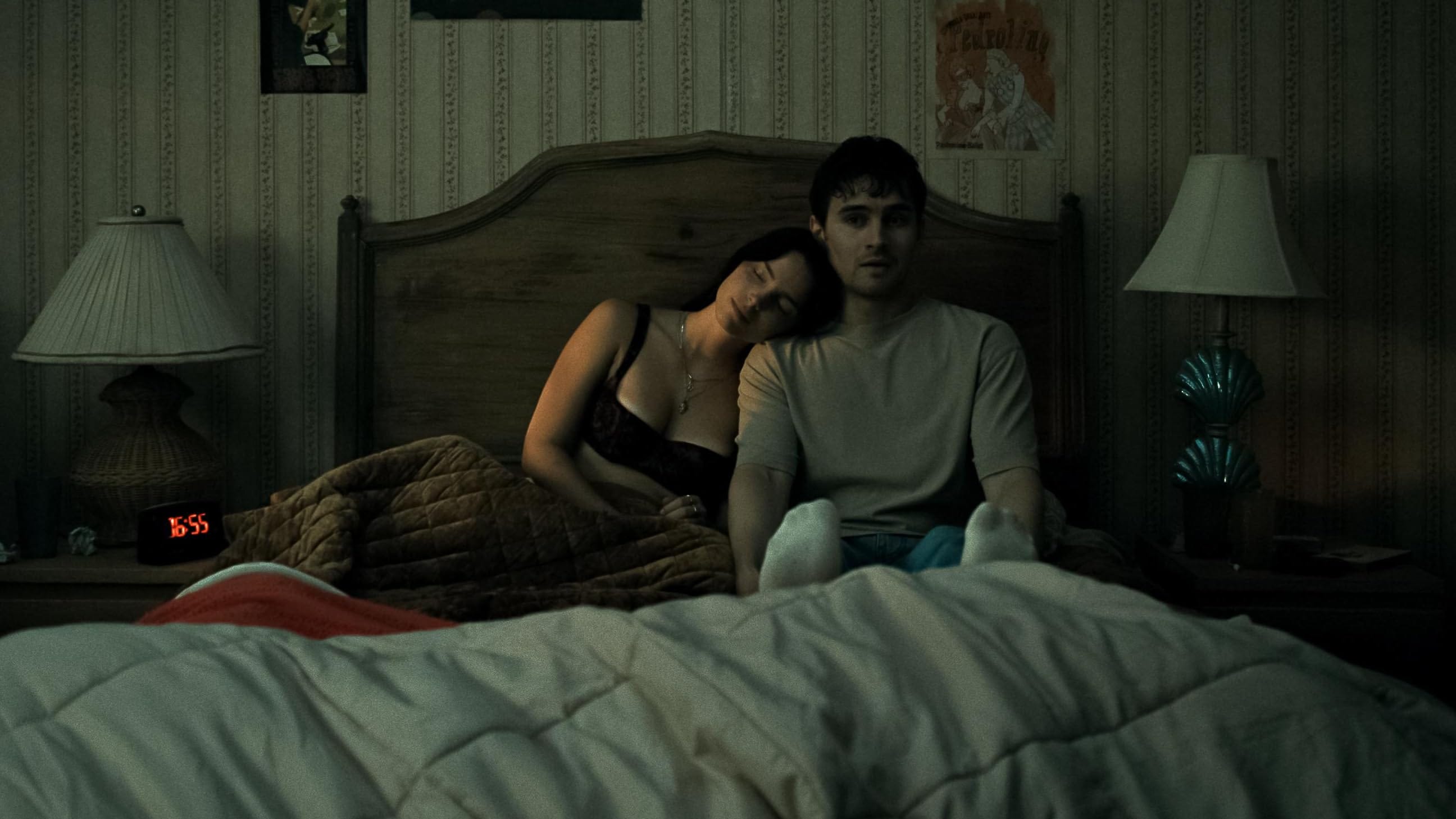
I had a somewhat rare experience this weekend when I went to see Obsession, one of the year’s biggest surprise hits. This tiny indie horror film was made for just under $1 million and has already grossed more than $100 million after only two weekends. Even more impressive, it actually earned more money in its second weekend than its first, something that almost never happens anymore.
What made the experience especially memorable for me was seeing it in a packed theater on a Friday night. My family and I usually catch movies on Tuesday evenings when auditoriums are mostly empty, so it was fun to watch a horror movie surrounded by a younger crowd that was completely locked into every twist, laugh and scare. Movies like this remind you how much the communal theater experience can add to a film.
Obsession isn’t necessarily the scariest movie ever made, but it is another reminder that great ideas are often more important than great budgets. The film never feels limited by its small scale because its central premise is so strong.
The story follows Bear (Michael Johnston), an awkward but genuinely kind young man who has spent years crushing on his friend Nikki (Inde Navarrette). When he’s unexpectedly given access to a wish-granting object, a One Wish Willow, he finally has the perfect opportunity to tell Nikki how he feels. Instead, he panics and takes a shortcut, wishing that she would fall in love with him.
The wish works.
Just not in the way he imagined.
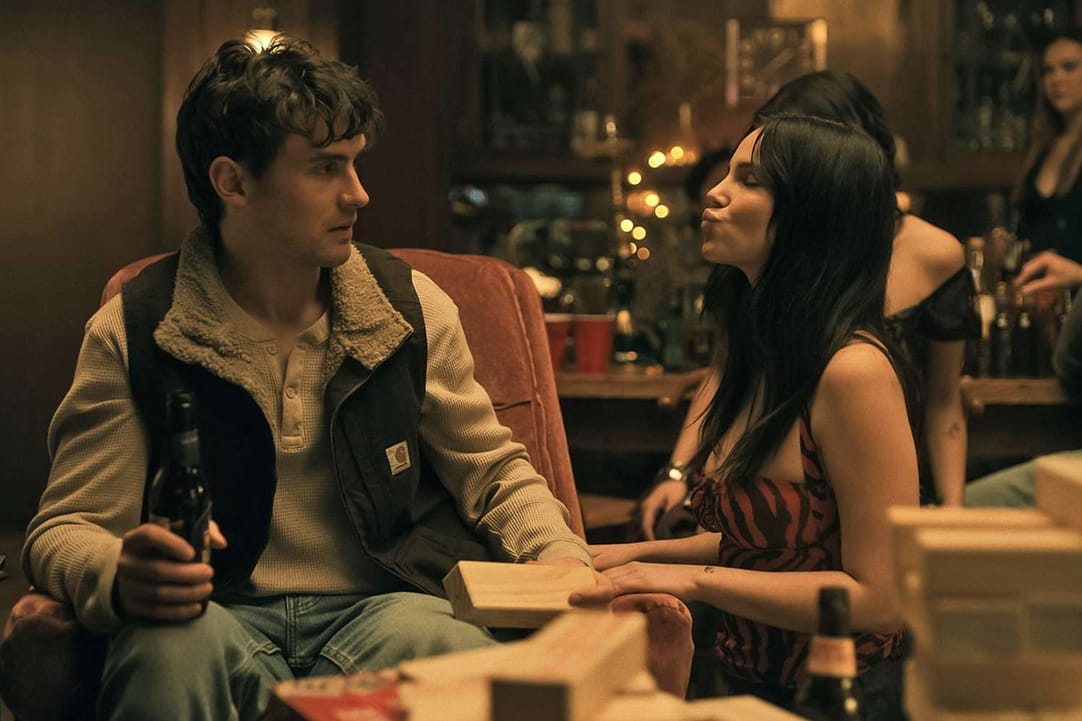
What I appreciated immediately is how relatable Bear’s situation feels. Most people can identify with having a longtime crush, especially one that’s firmly trapped in the friend zone. The nervousness, the overthinking, the fear of risking a friendship by expressing your feelings, the desire to somehow skip past all the uncertainty and arrive at the outcome you want. The film taps into that psychology remarkably well.
Director Curry Barker and his screenplay don’t spend much time explaining years of backstory, and they don’t need to. Through a handful of well-written interactions, we immediately understand why Bear is infatuated with Nikki and why he’s so terrified of telling her how he feels. The movie trusts the audience to fill in the gaps, and that confidence gives the story momentum right from the start.
What follows is a clever blend of horror, dark comedy and relationship drama as Nikki’s love becomes increasingly obsessive, unsettling and ultimately terrifying.
What impressed me most is how much the film feels tuned into a younger generation without feeling like it’s trying too hard. There are scenes that seem destined to become memes and social media clips, but they never undermine the movie itself. Beneath the viral moments is a genuinely well-constructed story with something meaningful to say.
A huge part of the film’s success rests on Navarrette’s performance as Nikki. She has an incredibly difficult role, shifting between sweet sincerity, heartbreaking vulnerability and completely unhinged behavior, often within the same scene. Nikki is essentially trapped inside her own body, aware that something is wrong but unable to fully control it. Barker constantly frames her in ways that make the audience uneasy, creating tension even during seemingly ordinary moments.
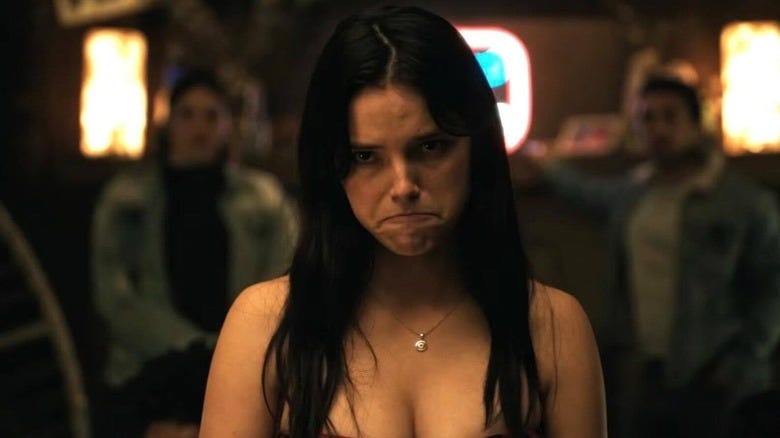
The movie also has more on its mind than simply delivering scares. At its core, Obsession becomes a critique of emotional immaturity and the temptation to avoid vulnerability. Bear’s biggest mistake isn’t making the wish. It’s refusing to take responsibility once he realizes what the wish has done.
He’s an interesting protagonist because he’s not a bad guy. He’s sensitive, empathetic and easy to root for. He doesn’t want anyone to get hurt. But like many people, especially when they’re young, he’s trapped inside his own perspective. Even after getting what he thought he wanted, he struggles to let go of the power that the wish has given him. That inability to face reality becomes his undoing.
The film often feels like Fatal Attraction filtered through a Gen Z lens and mixed with supernatural horror. Yet Nikki isn’t simply a jealous stalker archetype. Her behavior follows a specific internal logic that makes her far more interesting than a traditional horror villain. There are moments where everything could be okay, where the situation could stabilize, but Bear’s actions repeatedly push things toward disaster. The horror comes not only from Nikki’s obsession but from Bear’s inability to confront the consequences of his choices.
From a filmmaking standpoint, I never felt like I was watching a low-budget movie. Barker directs with confidence and creativity throughout. The pacing is sharp, the tension steadily escalates and the movie understands exactly how much information to reveal and when.
There are also some genuinely effective scares. If I have one criticism, it’s that the film occasionally leans too heavily on loud audio stings to generate its jump scares. For me, Nikki herself is scary enough. Some of the most unsettling moments occur simply from watching her behavior and wondering what she’s going to do next. In a few places, I actually think the film would have been even creepier if it had trusted those moments to breathe rather than punctuating them with sudden blasts of sound. It’s a relatively minor complaint, but one that stood out to me.
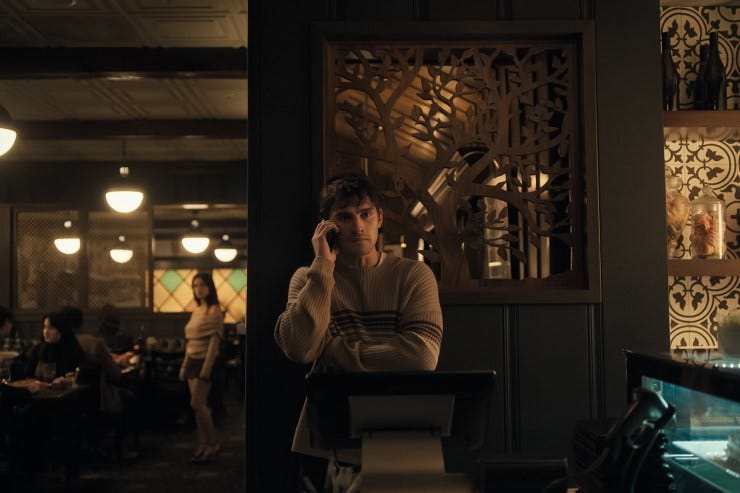
As the credits rolled, I overheard plenty of conversations from younger audience members debating what they had just watched, which might be the best compliment I can give the film. Their reaction honestly reminded me of hearing people talk about The Sixth Sense when it first came out. Now, Obsession doesn’t have a massive twist ending like that film, but there was a similar excitement in the air. Everyone seemed eager to discuss specific scenes, moments and performances.
Watching those reactions made me realize something: this may end up being a defining horror movie for Gen Z.
That’s not a declaration I’m really qualified to make as someone in his mid-forties, but sitting in that packed auditorium, it certainly felt possible. The movie speaks directly to a younger audience while still working for older viewers, and it creates the kind of shared experience that people want to talk about afterward.
Whether Obsession ultimately reaches that level of cultural significance remains to be seen. What I do know is that it’s one of the year’s standout horror films, a remarkably assured debut from Curry Barker and exactly the kind of original, conversation-starting genre movie that audiences are always claiming they want more of.
And judging by the box office numbers, audiences are actually showing up for this one.
Where to watch: Now playing in theaters